
Introduction
I’ll also be sharing my experience attending a Mochitsuki
(rice cake pounding) event.
A few days have already passed since the New Year began, but…
Happy New Year!
Thank you for continuing to read the
Sky Dolphin-M- blog this year as well☆
I still haven’t quite shaken off the New Year holiday mood,
and that lazy, sluggish feeling is still hanging around me…
So first, I’d like to share a relaxed little story from the
year-end and New Year holidays (lol).
Affiliate Disclosure: This post contains affiliate links.
Before the New Year: Visiting a Mochitsuki Event
There was a mochitsuki festival held at a very local neighborhood park,
and I wanted my child to experience a traditional Japanese event,
so we decided to join in♪

It was our first time seeing a mortar (usu) and
wooden mallet (kine) up close.
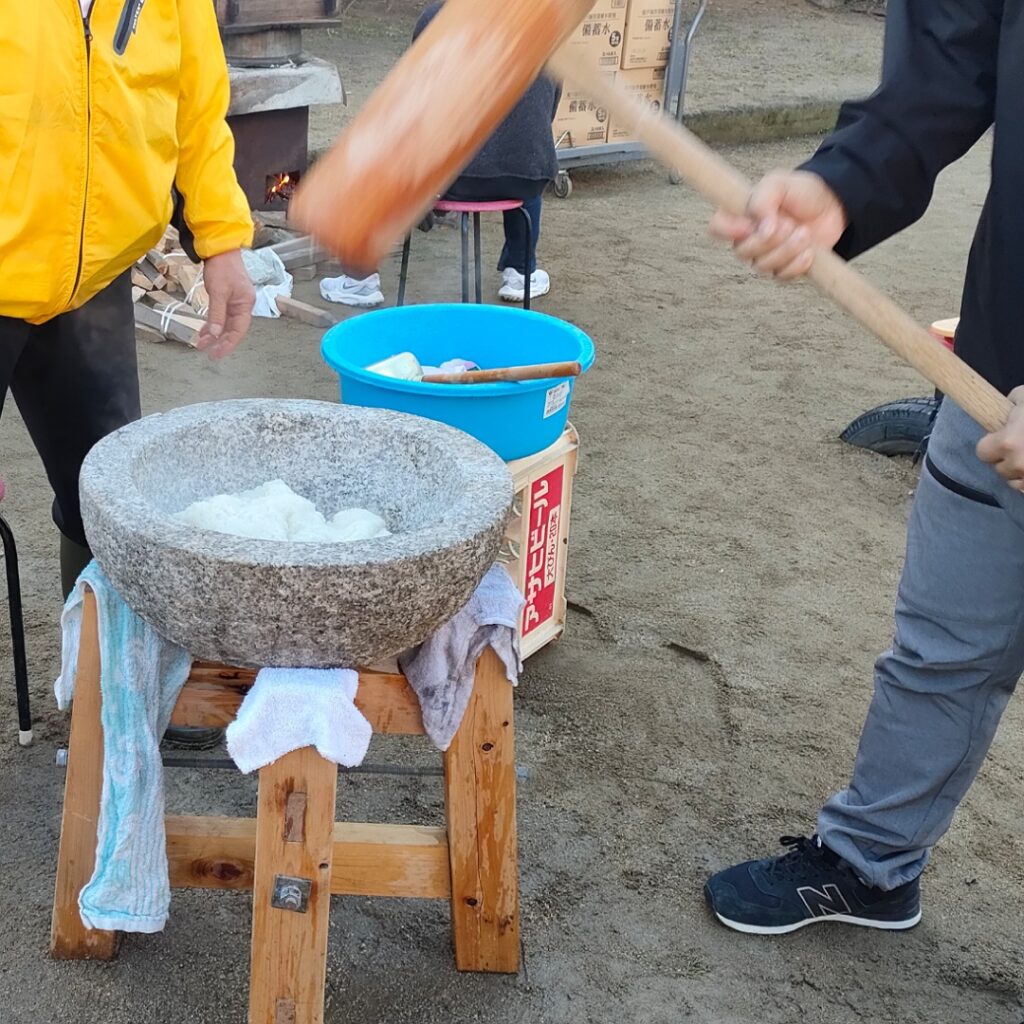
The smell of freshly pounded mochi was incredible.
At first, my child didn’t want to hold the mallet,
but after trying it once, they found it fun
and lined up again saying, “One more time!”

The shrimp mochi was such a vivid red color
that my child was completely surprised (lol).
Why Are There Red, White, and Yellow Mochi?

The yellow mochi is coated with a mixture of kinako
(roasted soybean flour) and sugar.
The white mochi has sweet red bean paste (anko) inside.
The red mochi is made by pounding small shrimp together with the
rice during the mochi-making process,
and it is also filled with sweet red bean paste inside.
When we received the freshly made mochi,
it already looked so soft and fluffy
that it felt delicious even before eating it (lol).
Once I took a bite, it stretched soooo much,
had an amazing texture,
and tasted gently sweet—absolutely perfect♪
One of the highlights for me was
trying it for the first time.
The combination of shrimp mochi and
sweet red bean paste
was surprisingly delicious and unforgettable.

Freshly pounded mochi is already amazing on its own,
but when it’s filled with anko,
the salty flavor of the shrimp mochi
and the sweetness of the red bean paste
felt like they were dancing together in my mouth (´▽`).
It was pure happiness.
In Japan, red and white together are called “Kouhaku,”
a color combination believed to bring
good luck and happiness.
Red represents protection and life,
while white symbolizes purity and new beginnings.
The History of Mochitsuki
Mochitsuki is actually an
extremely old Japanese tradition.
Its origins are said to date back to the
late Jomon period, over 2,000 years ago.
Since rice cultivation began in the Yayoi period,
rice was considered sacred in Japan.
By pounding harvested rice into mochi,
people expressed gratitude to the gods
and prayed for a good harvest in the coming year.
- Heian period: Mochi appeared in imperial court rituals,
and the prototype of kagami mochi
(decorative New Year’s mochi)
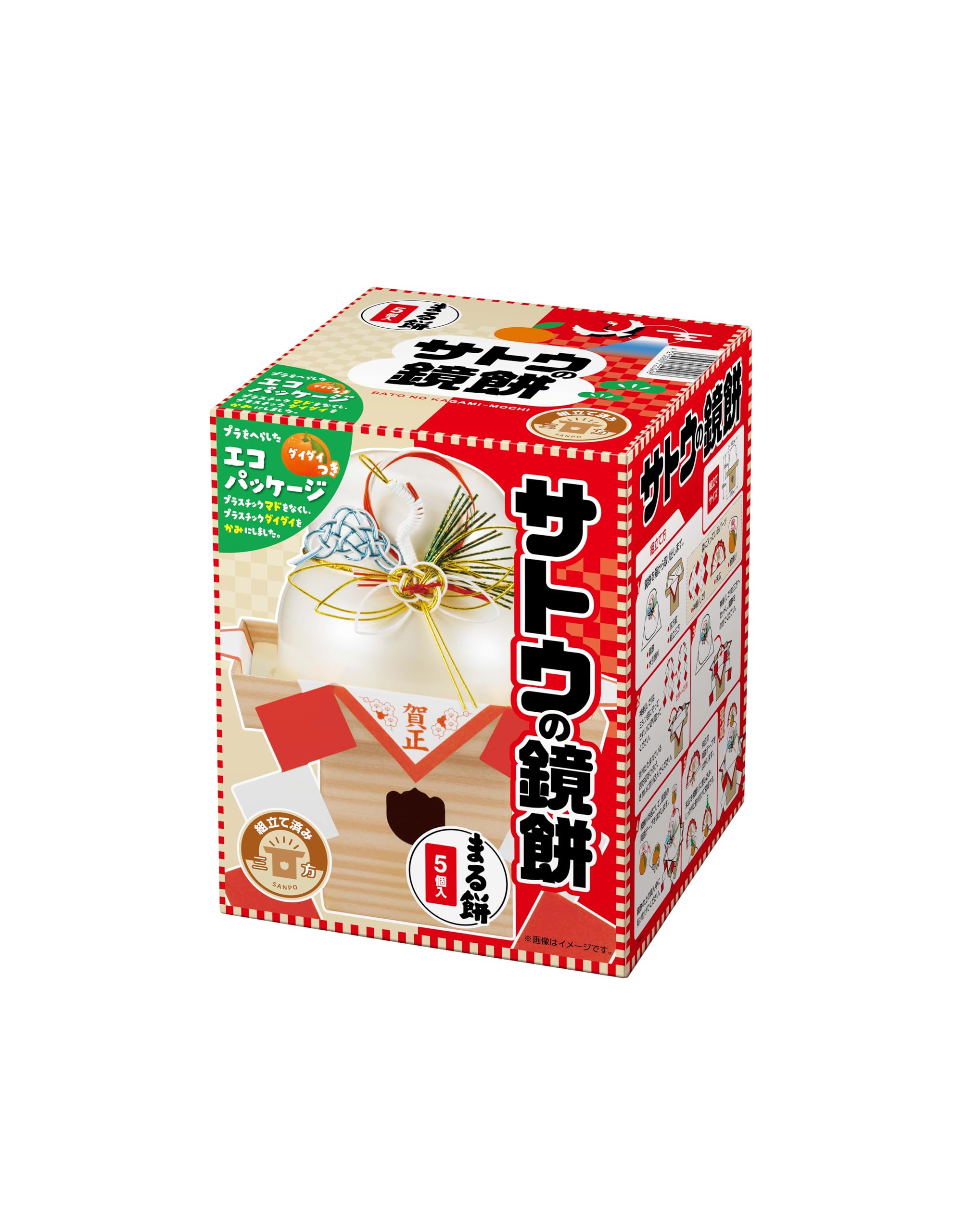
Click the photo to view it available on Amazon Japan.
also emerged during this time.
- Muromachi to Edo periods: Mochitsuki spread among common people
and became a standard year-end and New Year tradition.
Families and communities worked together,
chanting “Yoisho!” while pounding mochi—
symbolizing cooperation and strengthening bonds. - Modern times: Mochitsuki events are held at shrines and local festivals,
children experience it at schools and daycare centers,
and beliefs such as “fresh mochi brings good luck”
or “round shapes symbolize family harmony” are still passed down today.
Mochitsuki isn’t just an event—
it has evolved into a deeply meaningful tradition
that represents gratitude to the gods,
human connection, and hopes for the New Year (´▽`).
In recent years, people-to-people connections have become weaker,
often out of concern for safety.
Because of this, children are sometimes taught to avoid
talking to strangers entirely.
Of course, protecting children is important—but
if we completely shut ourselves off,
there may be no one to help us when something truly dangerous happens.
I personally believe that
a certain level of communication and connection is still very important.
New Year’s Eve: Cup Noodles for Toshikoshi Soba?
Last year, we welcomed the New Year with cup noodle soba!
I originally thought about going to a soba restaurant,
but then I checked the prices…
If three of us ordered, it would cost over 3,000 yen just for soba.
Very expensive…..( ;∀;)
On top of that, my child doesn’t really get excited about soba…
At that point, it felt like a waste to go out,
so we picked everything up at the supermarket instead.
We added a few simple toppings:
green onions, shrimp tempura, and shichimi pepper.
Just adding those made it look surprisingly fancy.
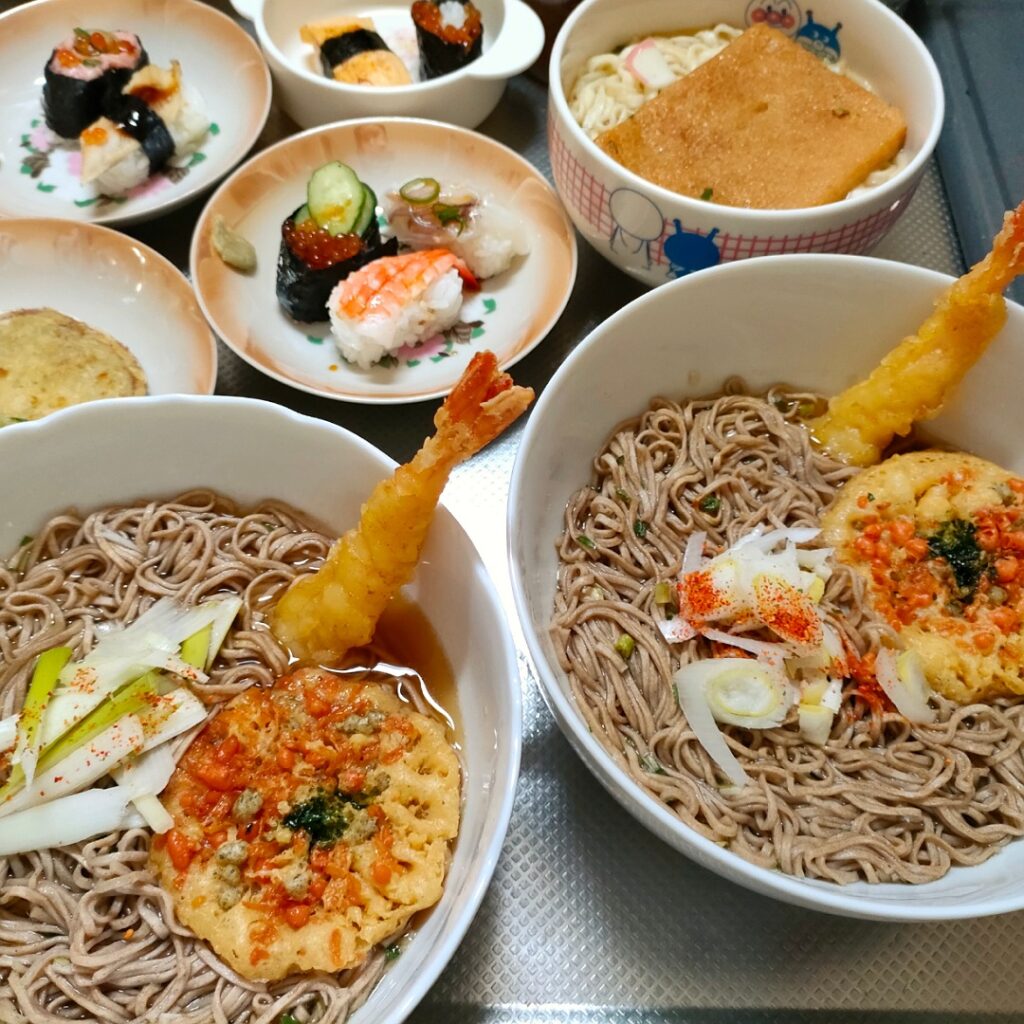
It’s easier than authentic soba and honestly… perfect☆
But maybe this year, we’ll go out or boil soba ourselves…
or maybe not (I’m thinking way too far ahead already( ̄▽ ̄)).
Pros and Cons of Having Cup Noodles for Toshikoshi Soba
Pros:
All you need is hot water—clean-up is super easy.
Cons:
None (´▽`)
Some people who value tradition might think this is heresy, but honestly…
To all the food manufacturers out there,
I want to say a big, loud thank you!
Goals for 2026 & This Year’s Resolutions
- Enjoy writing my blog even more
- Attend lots of family-friendly events and share useful information
- Practice the “law of luck” and become a naturally lucky person
And most of all,
I hope everyone reading this has a wonderful year ahead♪
Final Notes
(How to Soften Mochi in the Microwave —
which many of you probably already know)
Super easy—just use a microwave♪
Hard mochi? Let the microwave do the work (´▽`)
You might see people online recommending special plastic bags,
but in our house, we’ve always used regular plastic wrap.
Here’s how we do it:
- Line a heat-resistant container with plastic wrap
(to prevent the mochi from sticking) - Place the mochi inside
- Add water until the mochi is just barely covered
(too much water will take longer to heat) - Do not cover with wrap
- Microwave at 600W for 1 to 1.5 minutes (depending on size)
- Flip the mochi halfway and check
(if the center is still hard, add 10 seconds at a time) - Once soft, drain the water lightly
- Add kinako or sweet red bean paste—and it’s done♪
Next time, I’ll be writing about going to ring the temple bell on New Year’s Eve
Read the Japanese version of this article here!


コメント